
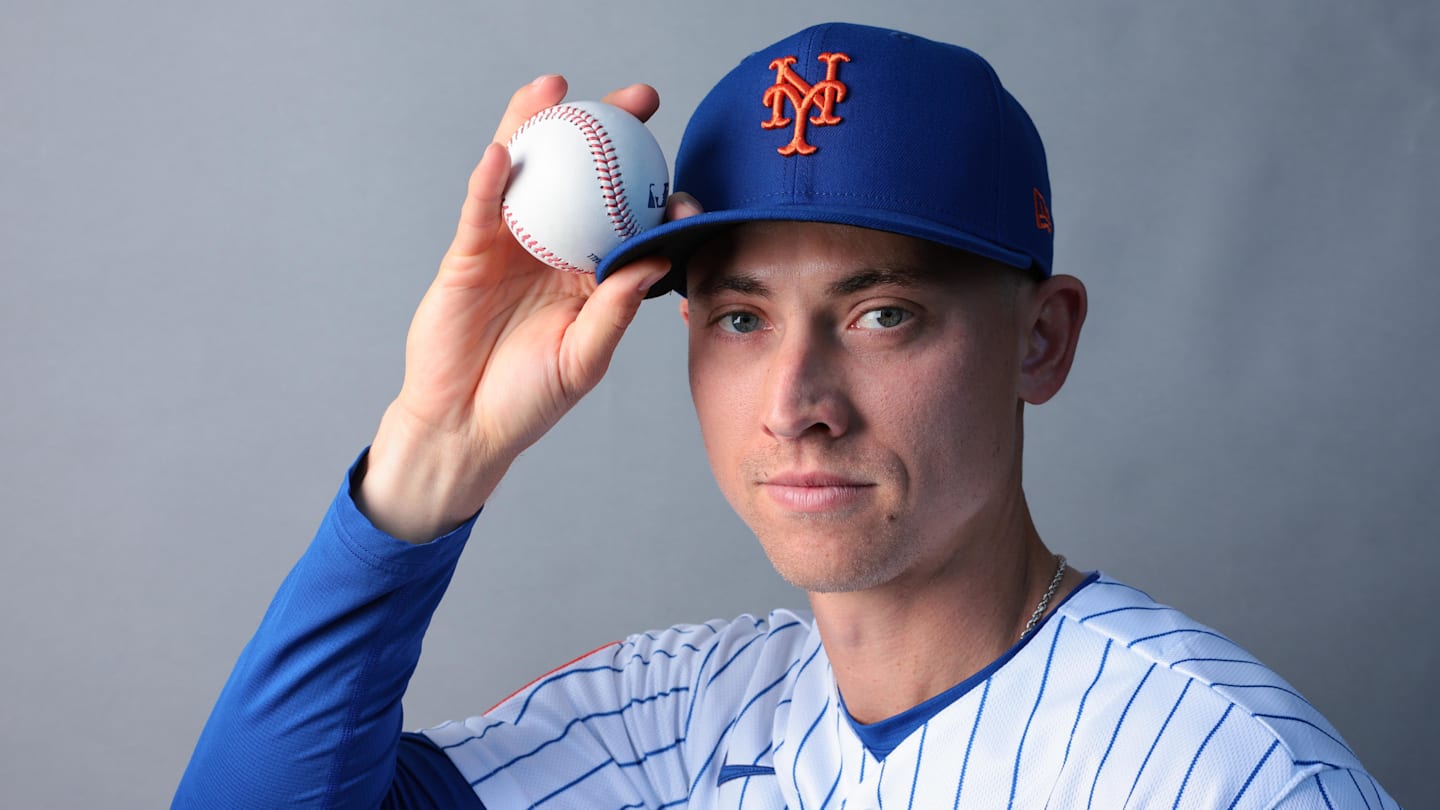
The Milwaukee Brewers are doing the thing baseball people love to dismiss until October forces everyone to copy it. The New York Mets should pay attention.
Milwaukee still has a closer on paper. Trevor Megill just saved 30 games with a 2.49 ERA and made the All-Star team in 2025. But when manager Pat Murphy was asked who closes in 2026, he basically shrugged and said it'll be about matchups, health, and "other guys in that mix," hinting that a committee mentality might be the most "uncommon" way for them to win.
Megill missed time late last season with a right flexor strain, and the team ended up using him in non-traditional leverage spots down the stretch and into the postseason. They even used him as an opener in the decisive Game 5 of the NLDS. While he was out, Abner Uribe stepped in for saves and put up monster underlying numbers across a huge workload, with metrics suggesting he and Megill were basically equals in run-prevention quality.
Mets' bullpen could unlock a dangerous new gear if they borrow this Brewers trick
Save totals can shape arbitration pay, and Megill is in his final arbitration window before free agency after 2027. The Brewers, a franchise with a long history of flipping pricey closers as they near the end of team control, have every incentive to keep their late-inning "hierarchy" flexible.
Milwaukee is being innovative. But it's also being practical.
Here's the part the Mets should care about. The Mets signed Devin Williams to be the guy. But the Mets shouldn't let "we have a closer" turn into "we only have one correct way to win a close game."
The most important outs are not always in the ninth. They're whenever the opposing lineup turns over and the game is about to swing. Sometimes that's the eighth. Sometimes that's the seventh with two on and one out and the other team's best hitter walking up like he owns the moment.
This is where Luke Weaver comes in. The Mets brought him over because he can miss bats and because he has already lived the closer life recently, including taking over ninth-inning work during a pennant run. If the Mets treat him like a strict "eighth-inning guy," they're voluntarily shrinking their own options.
And the Mets have precedent here. In 2022, Buck Showalter used Edwin Díaz in the eighth in spots that actually mattered, and it worked because it acknowledged a simple truth. Your best reliever should face the toughest pocket when the game is screaming for it, not when the save statistic says it's polite.
That's what Milwaukee is saying out loud now, even with a guy who just saved 30. The Mets can do the same without turning it into chaos.
Think of it less like a "closer committee" and more like a leverage ladder:
- Default: Williams closes because having a defined ninth inning still has value. It keeps roles clean, routines consistent, and egos calm.
- Flex: Weaver gets the biggest right-handed pocket when that pocket shows up in the eighth or ninth, depending on the night.
- Lefty: When A.J. Minter is back, the Mets should be willing to treat him like a closer-grade weapon against the opponent's most dangerous lefty-heavy segment.
That last point is the key. If you're already planning on a bullpen that evolves once Minter returns, why not embrace the bigger version of that idea now?
The Brewers are telling you that the traditional bullpen script is optional. Instead, you can weaponize the entire back end.
The Mets have the ingredients for that same kind of edge. The only question is whether they're willing to use them like it.